Fiber Optic Cable Solutions
Comprehensive range of fiber optic cables for indoor, outdoor, and specialized applications. From data centers to long-distance transmission.
Fiber Optic Cable Selection Guide
Choose the right fiber optic cable for your specific application. Compare different types based on structure, environment, and deployment requirements.
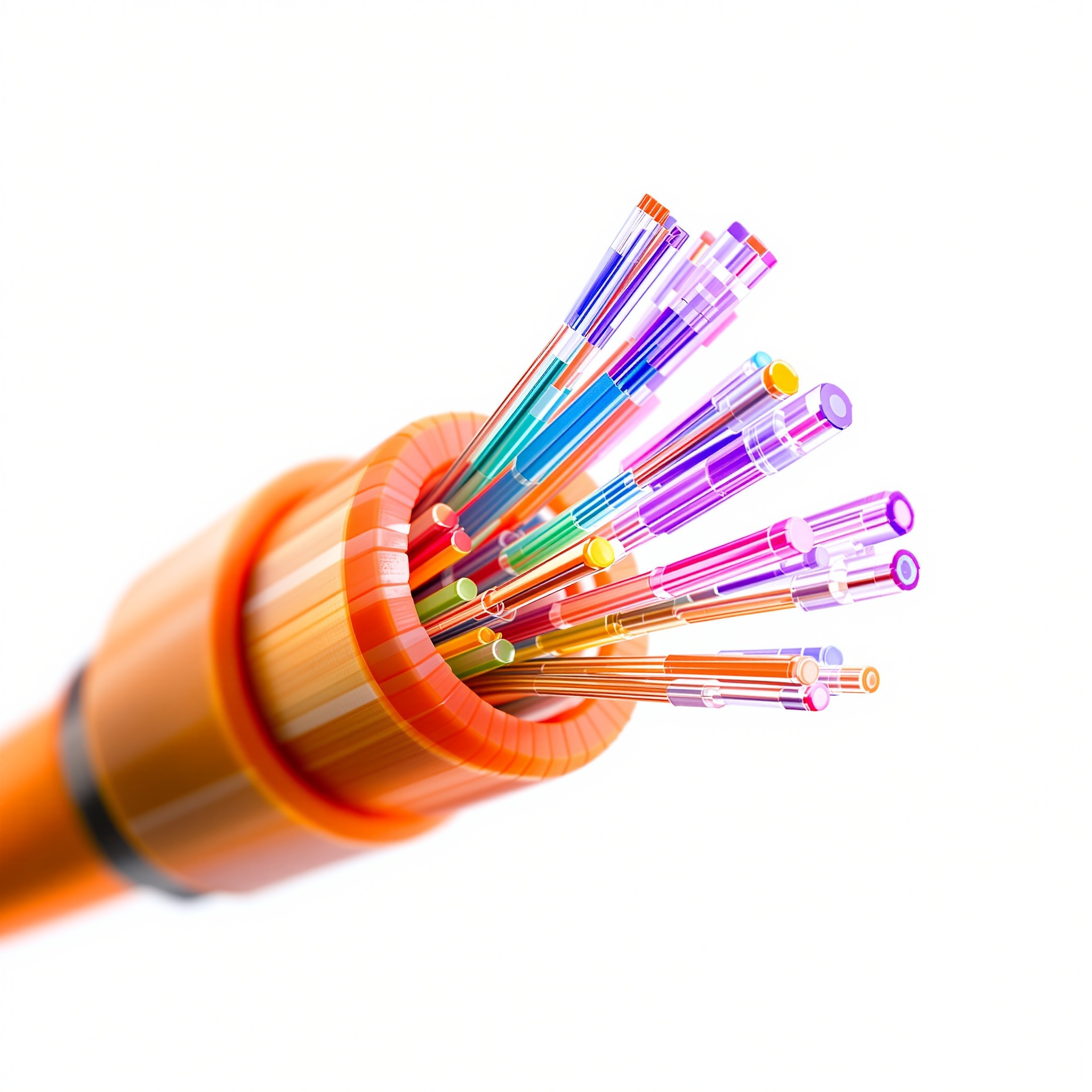
Indoor Tight-Buffered Cable
Key Features:
Applications:
- Data centers
- Office buildings
- Indoor backbone
- Equipment rooms
Outdoor Armored Cable
Key Features:
Applications:
- Outdoor trunk lines
- Underground installation
- Aerial deployment
- Long-distance transmission
ADSS Self-Supporting Cable
Key Features:
Applications:
- Power line installation
- Aerial spans
- High-voltage areas
- Long-span deployment
Micro Duct Cable
Key Features:
Applications:
- Urban networks
- Duct installation
- High-density deployment
- City infrastructure
Direct Burial Cable
Key Features:
Applications:
- Underground burial
- Trench installation
- Campus networks
- Rural deployment
Ribbon Cable
Key Features:
Applications:
- High-capacity trunk
- Data center backbone
- Metro networks
- Mass splicing projects
| Cable Type | Fiber Count | Structure | Environment | Primary Use |
|---|---|---|---|---|
| Indoor Tight-Buffered | 2-144 fibers | Tight-buffered, flexible | Indoor, controlled | Building backbone, data centers |
| Outdoor Armored | 12-288 fibers | Steel armor, gel-filled | Outdoor, harsh | Underground, aerial trunk lines |
| ADSS Self-Supporting | 24-288 fibers | All-dielectric, aramid | Aerial, high-voltage | Power line installation |
| Micro Duct | 12-288 fibers | Compact, high-density | Duct, urban | City networks, blown installation |
| Direct Burial | 12-144 fibers | Heavy-duty, gel-filled | Underground, buried | Direct burial, campus networks |
| Ribbon Cable | 144-1728 fibers | Ribbon, high-count | Indoor/outdoor | High-capacity trunk, mass splicing |
Selection Tips
Indoor Applications
Choose tight-buffered cables for data centers and building backbones - easy to handle and terminate
Outdoor Deployment
Use armored or ADSS cables for outdoor installations - provides protection against environmental factors
High Fiber Count
Select ribbon cables for high-capacity trunk lines - enables mass fusion splicing and space efficiency
Urban Networks
Consider micro duct cables for city infrastructure - compact design and easy blown installation
Quality Assurance
All cables meet international standards including IEC, TIA/EIA, and Telcordia. Rigorous testing ensures reliable performance.
Custom Solutions
Customizable fiber count, jacket color, and cable structure to meet your specific project requirements and specifications.
Technical Support
Expert technical team provides installation guidance, troubleshooting support, and project consultation services.
Need Help Choosing the Right Cable?
Our fiber optic experts are ready to assist you with cable selection, technical specifications, and project planning.